
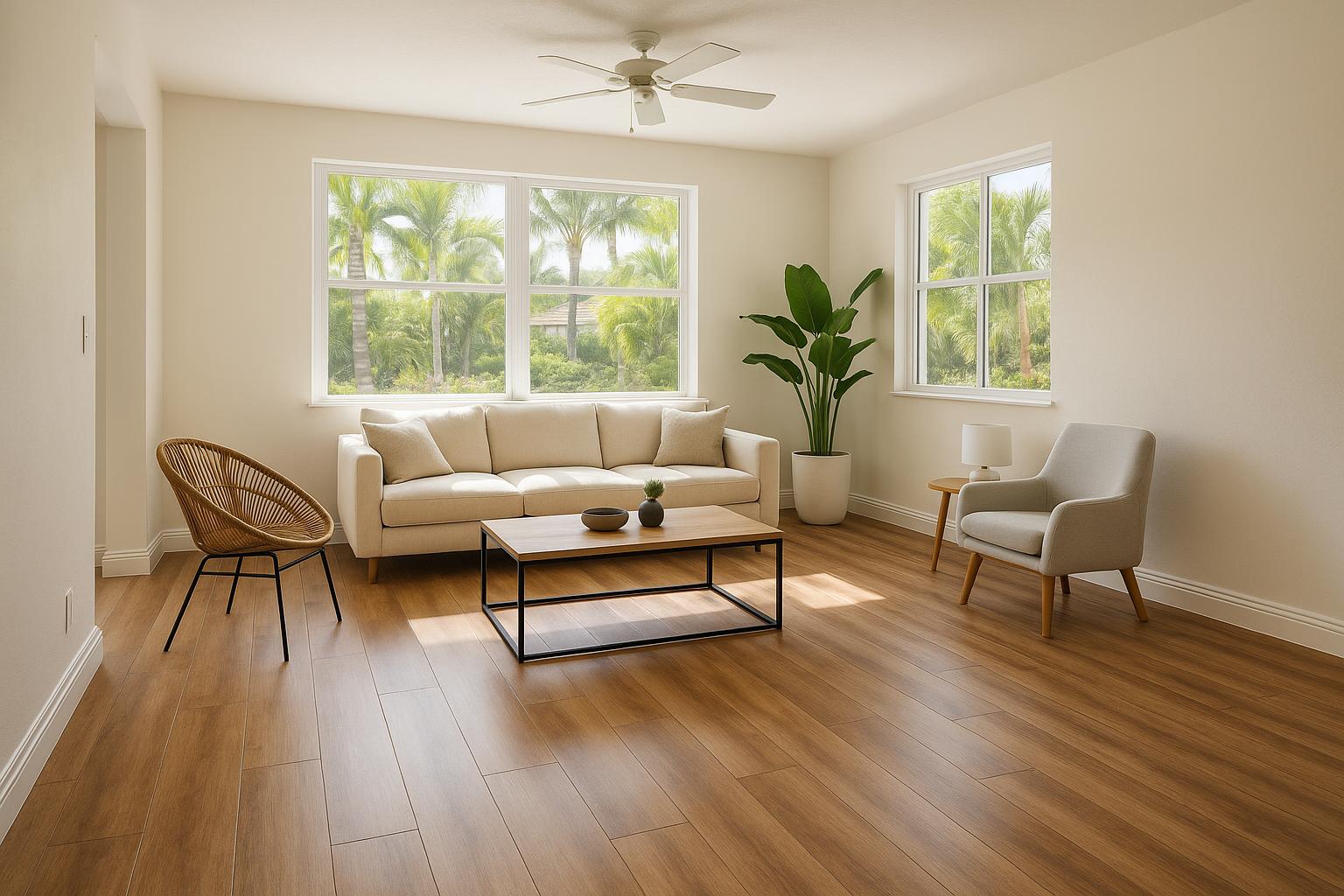
Why Flooring Matters More Than You Think in South Florida
When homeowners in Homestead start thinking about renovations, flooring often takes a back seat to kitchens and bathrooms. But here's the truth: your floors are the foundation of every room in your house. They set the tone for your entire home's look and feel, they take the most daily abuse, and in South Florida, they have to stand up to conditions that flooring in other parts of the country never faces.
Between humidity levels that hover around 75% for much of the year, the threat of tropical storms, sandy foot traffic from nearby beaches, and the reality of raising families in active households, Homestead homeowners need flooring that does more than just look good on installation day. It needs to perform year after year.
If you're considering a flooring upgrade — whether as part of a larger renovation or a standalone project — this guide will walk you through the best options for our local climate and help you make a decision you won't regret.
The Biggest Challenge: Humidity and Moisture
Before diving into specific materials, it's important to understand why South Florida is so tough on floors. Homestead sits in a subtropical zone where moisture is a constant factor. High indoor humidity can cause certain materials to warp, buckle, or develop mold underneath. Occasional flooding from heavy rains or hurricanes adds another layer of risk.
This means that some flooring options that work beautifully in drier climates — like traditional hardwood — can become a liability here. The key is choosing materials that are either naturally moisture-resistant or engineered to handle what our environment throws at them.
Top Flooring Options for Homestead Homes
Porcelain and Ceramic Tile
Tile has been a go-to choice in South Florida homes for decades, and for good reason. Porcelain and ceramic tile are virtually waterproof, incredibly durable, and available in an almost endless range of styles. Modern porcelain tiles can convincingly mimic the look of natural wood, marble, or stone at a fraction of the cost and maintenance.
For Homestead homeowners, tile is especially practical in entryways, kitchens, bathrooms, and any ground-floor living space. It stays cool underfoot — a welcome feature during our long, hot summers — and cleans up easily after muddy shoes or pet paws track through the house.
- Best for: Kitchens, bathrooms, living areas, entryways
- Pros: Waterproof, durable, low maintenance, cool underfoot
- Cons: Hard surface can be tough on joints; grout lines require periodic sealing
Luxury Vinyl Plank (LVP)
Luxury vinyl plank has exploded in popularity over the past several years, and it's easy to see why. LVP offers the warm, realistic look of hardwood with waterproof performance that makes it ideal for Florida's climate. It's softer underfoot than tile, easier to install, and generally more affordable than natural wood or high-end porcelain.
Quality matters with LVP. Cheaper products can fade in direct sunlight or feel flimsy underfoot. We recommend investing in a reputable brand with a thick wear layer and UV-resistant coating — both of which are important given how much sunlight Homestead homes receive.
- Best for: Whole-home installations, bedrooms, living rooms, kitchens
- Pros: Waterproof, comfortable, realistic wood-look options, budget-friendly
- Cons: Lower-end products can look artificial; may dent under very heavy furniture
Polished Concrete
For homeowners going for a modern or industrial aesthetic, polished concrete is a surprisingly practical choice in Homestead. Many homes here are built on concrete slab foundations, which means the subfloor is already in place. Polishing, staining, or coating that existing concrete can create a sleek, contemporary floor without adding any new material.
Polished concrete is completely moisture-proof, extremely durable, and virtually maintenance-free. It also works beautifully with area rugs, which let you add warmth and color where you want it.
- Best for: Modern homes, open floor plans, garages converted to living space
- Pros: Moisture-proof, low maintenance, uses existing slab, unique aesthetic
- Cons: Hard and cold underfoot; limited style flexibility without staining or overlays
Engineered Hardwood
If you love the look and feel of real wood, engineered hardwood is a smarter choice than solid hardwood for our climate. Engineered planks are constructed with a real wood veneer on top and multiple layers of plywood or composite material underneath. This cross-layer construction makes them far more resistant to expansion and contraction caused by humidity changes.
That said, engineered hardwood still isn't waterproof. It's best suited for bedrooms, dining rooms, and living areas that aren't prone to standing water. We generally advise against installing it in bathrooms or laundry rooms in Homestead homes.
- Best for: Bedrooms, dining rooms, formal living areas
- Pros: Real wood beauty, better humidity resistance than solid hardwood
- Cons: Not waterproof; higher price point; requires some climate control indoors
What About Laminate Flooring?
Laminate was once considered a budget-friendly alternative to hardwood, but in South Florida, it comes with significant risks. Most standard laminate is not waterproof — the fiberboard core can swell and warp when exposed to moisture. While some newer waterproof laminate products have entered the market, luxury vinyl plank generally offers better performance at a similar price point for homes in our area.
If you're drawn to laminate for budget reasons, talk to your contractor about waterproof LVP alternatives before committing. You may find a better long-term value.
How to Choose the Right Flooring for Your Home
With so many options available, narrowing down your choice comes down to a few key questions:
- Which rooms are you renovating? Wet areas like bathrooms and kitchens demand waterproof materials. Bedrooms offer more flexibility.
- What's your household like? Families with kids and pets need scratch-resistant, easy-to-clean surfaces. A retired couple may prioritize comfort and aesthetics.
- What's your budget? Be honest about what you can spend — not just on materials, but on professional installation. A well-installed mid-range floor will outperform a poorly installed premium one every time.
- Are you planning to sell? If resale value matters, neutral tile and LVP tend to appeal to the broadest range of buyers in the Homestead market.
Why Professional Installation Matters
No matter which flooring material you choose, proper installation is what separates a floor that lasts fifteen years from one that starts showing problems in fifteen months. In South Florida, this means ensuring the subfloor is properly prepared for moisture, transitions between rooms are handled correctly, and expansion gaps are accounted for in materials that need them.
At Homestead Full Home Renovation, we've installed flooring in homes across Homestead, Florida City, Cutler Bay, and the surrounding communities. We know the specific challenges our local climate presents, and we prepare for them before the first plank or tile goes down. Our team walks you through material options, provides honest recommendations based on your home and lifestyle, and handles every detail of the installation process.
Ready to Upgrade Your Floors?
If your current flooring is outdated, damaged, or just not holding up to life in South Florida, a professional flooring installation can transform the look and feel of your entire home. Whether you're updating a single room or replacing floors throughout the house as part of a larger renovation, we're here to help you choose the right material and install it the right way.
Reach out to Homestead Full Home Renovation for a free consultation. We'll assess your space, discuss your goals, and give you a clear, honest estimate — no surprises, no pressure.